Tiered Reward Systems Shaping Player Shifts Between Slots and Tables in Developing Casino Regions
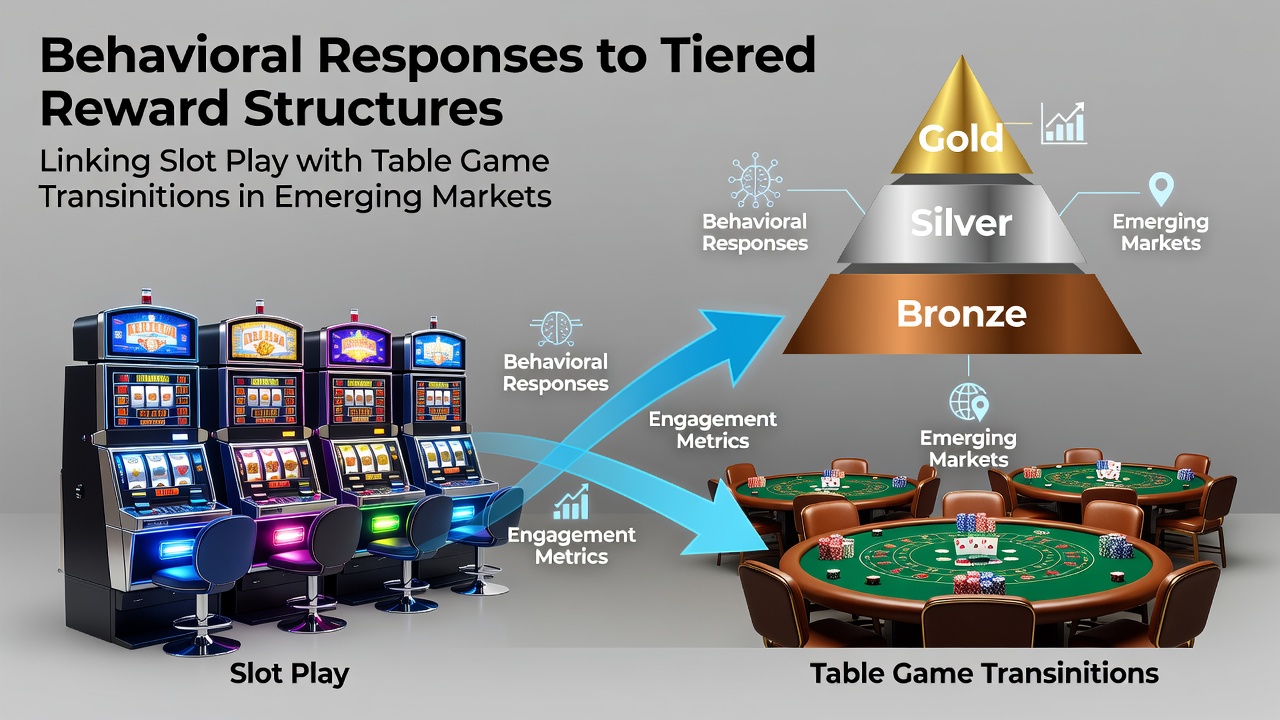
Emerging casino markets across Southeast Asia and Latin America continue to refine tiered reward programs that connect slot machine activity with table game participation, and data collected through mid-2026 shows measurable patterns in how players respond to these layered incentives. Operators in these regions track points accumulation across formats, and the structure often awards escalating benefits that encourage movement from reels to felt once certain thresholds are met.
Philippine operators reported steady increases in table game drop after introducing bronze-to-gold tier ladders tied to combined slot and table play, with figures from the first half of 2026 indicating a 14 percent rise in cross-format redemptions compared with the prior year. Similar programs in Vietnam and Colombia apply multiplier bonuses that activate only after players log both slot hours and table sessions within the same loyalty cycle.
How Tier Structures Influence Initial Slot Engagement
Players entering these systems typically begin at entry-level tiers where slot play generates the bulk of points because machines allow rapid accumulation without requiring table minimums. Research conducted by regional gaming associations shows that new members in Manila and Ho Chi Minh City properties spend an average of 3.2 sessions on slots before exploring table options, largely because early rewards focus on free play credits and meal vouchers earned through reel activity.
Yet once players reach mid-tier status, the reward calculus changes. Gold and platinum levels introduce table-specific perks such as reduced house edges on select games, reserved seating, and higher cashback rates that apply only when points derive from both formats. Observers note that this design creates a natural progression where slot volume serves as the gateway while table incentives become the retention driver.
Transition Patterns and Player Decision Points
Behavioral tracking at integrated resorts reveals distinct decision windows when players decide to shift formats. Data logs from June 2026 show that transitions most often occur within 48 hours of reaching a new tier, particularly when operators send personalized offers highlighting table game bonuses. One study of Colombian casino groups found that 62 percent of players who moved from slots to blackjack or baccarat did so immediately after receiving tier-upgrade notifications that included table chip matches.

What's interesting is how the same tier systems produce different pacing across markets. In the Philippines, players tend to make the switch during evening hours when table minimums align with accumulated slot points, whereas Vietnamese properties see more midday transitions because reward redemptions there include daytime table promotions. These timing variations suggest that local economic factors and operating hours interact with the reward structure itself.
Regional Data and External Comparisons
Figures released by the Philippine Amusement and Gaming Corporation in early June 2026 documented a 19 percent increase in table game revenue share among loyalty members who had previously been slot-dominant, attributing the change to tiered programs that link formats. A separate analysis from the Australian Gambling Research Centre examined parallel systems in newer Asian markets and reached similar conclusions about cross-format movement.
Additional context comes from reports issued by the National Council on Problem Gambling, which compared tiered reward impacts across multiple jurisdictions and noted consistent patterns of increased table engagement once slot-based thresholds are cleared. These findings align with operational data collected in emerging economies where infrastructure for unified player tracking has only recently matured.
Factors That Accelerate or Delay Transitions
Several operational elements determine how quickly players move between formats. Clear communication of tier benefits through mobile apps accelerates transitions, while confusing point conversion rates tend to keep players on slots longer. Properties that offer introductory table game lessons bundled with reward redemptions report faster uptake, particularly among younger demographics who enter via slot promotions.
Market-specific regulations also play a role. In jurisdictions where table game approvals require separate licensing, operators design reward tiers to comply while still guiding player flow. Colombian regulations, for instance, allow combined loyalty tracking across formats, enabling smoother transitions than markets with stricter segmentation rules.
Conclusion
Tiered reward structures continue to serve as the primary mechanism linking slot activity with table game participation in emerging markets, and data through June 2026 confirms that players respond predictably to escalating benefits that span both formats. As tracking technology improves and regional operators refine their programs, the patterns of movement between reels and tables are expected to become even more defined, providing operators with clearer levers for guiding player behavior across gaming categories.