Regulatory Evolution Across Regions Reshaping Cross-Border Gaming Reward Frameworks
Paul Hansen · Aug 17, 2026
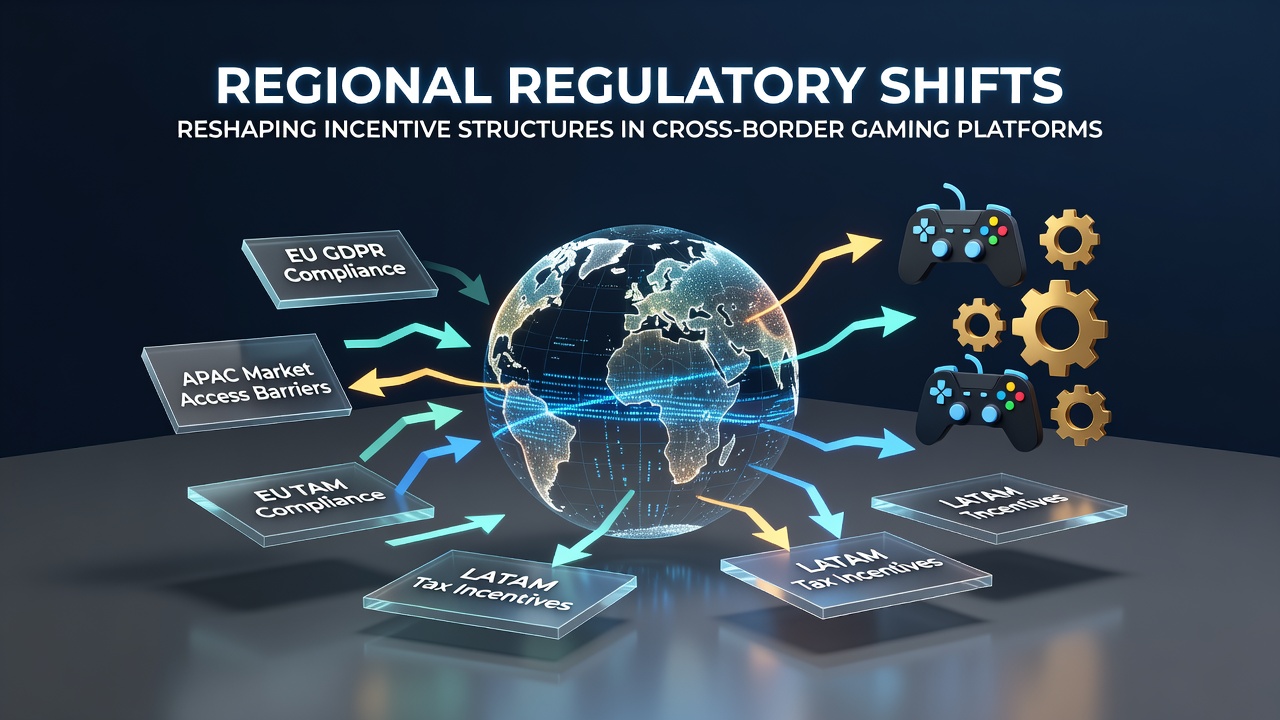
Regulatory Evolution Across Regions Reshaping Cross-Border Gaming Reward Frameworks
Regional regulatory adjustments have begun altering how cross-border gaming platforms structure player incentives, with new rules emerging in multiple jurisdictions during 2026 that directly affect bonus offerings, wagering terms, and loyalty mechanisms. These shifts stem from updated consumer protection standards, taxation policies, and licensing requirements that platforms must navigate when operating across national boundaries.
Data compiled through mid-2026 indicates operators have modified reward systems in response to these changes, particularly in areas involving bonus eligibility and redemption processes. European authorities introduced revised digital service guidelines that require clearer disclosure of incentive conditions, prompting platforms to adjust promotional structures for users in multiple member states. Similar patterns appeared in parts of Asia where governments updated remote gaming statutes to address cross-jurisdictional player flows.
European Adjustments to Bonus Disclosure Rules
Updates implemented by the European Commission in early 2026 emphasized transparency in incentive advertising, leading platforms to revise how they present wagering requirements and bonus values to users spanning several countries. Operators reported recalibrating their reward ecosystems to maintain compliance while preserving player engagement across borders. Figures from industry tracking services show a measurable increase in standardized terms for welcome offers and ongoing promotions.
Those monitoring these developments note platforms have introduced region-specific incentive tiers that reflect local regulatory expectations, such as varying maximum bonus amounts or adjusted playthrough thresholds. This approach allows operators to serve international audiences without violating individual national rules.
Asia-Pacific Developments in Cross-Border Reward Limits
Regulatory bodies in the Asia-Pacific region enacted measures during spring 2026 that capped certain incentive structures for platforms targeting players outside domestic markets. Australian Communications and Media Authority guidance on interactive gaming required stricter verification processes before bonus activation, influencing how operators design entry-level rewards for regional users. Australian Communications and Media Authority data released in July 2026 documented shifts in player participation rates tied to these revised terms.
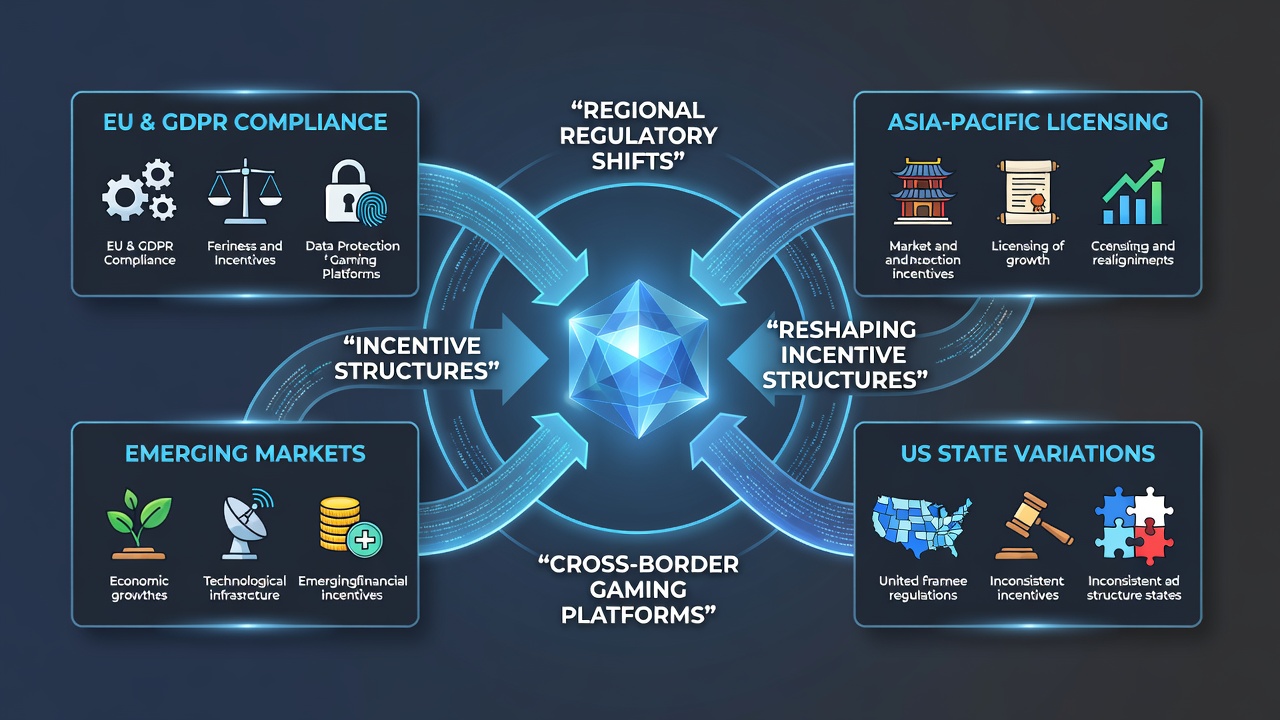
Platforms responded by implementing segmented loyalty programs that differentiate rewards based on user location and applicable rules. Observers tracking these trends found evidence of increased use of time-bound incentives rather than perpetual bonus pools, aligning with requirements for periodic compliance reviews.
North American Variations in Platform Incentives
Provincial regulators in Canada updated licensing conditions for online platforms in August 2026, introducing new parameters around cross-border player incentives that affect how rewards accumulate and transfer between formats. These changes require operators to maintain separate tracking systems for users in different provinces, altering the unified reward structures previously common in multi-jurisdictional operations. Research from Canadian gaming policy institutes indicates these adjustments have prompted platforms to offer localized bonus multipliers tied to specific regulatory zones.
Similar patterns emerged in several U.S. states where expanded online gaming legislation incorporated provisions limiting incentive portability across state lines. Operators have adapted by creating modular reward systems that activate differently depending on the user's registered location, ensuring alignment with each jurisdiction's standards.
Impact on Global Operator Strategies
Cross-border platforms have increasingly relied on automated compliance tools to manage incentive distribution under varying regional rules. Industry reports from organizations such as the International Association of Gaming Regulators highlight growing investment in technology that monitors and adjusts reward offers in real time based on user jurisdiction. This technical adaptation has allowed operators to sustain player retention while meeting diverse regulatory demands.
Evidence from platform analytics in 2026 reveals a trend toward hybrid incentive models combining fixed rewards with performance-based elements that scale according to local oversight requirements. These models help platforms balance competitive offerings with the need for regulatory adherence across multiple markets.
Conclusion
Regional regulatory shifts continue to influence how cross-border gaming platforms configure their incentive structures, with documented changes appearing across Europe, Asia-Pacific, and North America throughout 2026. Platforms have implemented location-aware reward systems, revised bonus terms, and enhanced compliance mechanisms to address these evolving requirements. Ongoing monitoring by regulatory bodies and industry groups will likely shape further refinements to these frameworks as new policies take effect.