Mastering Positional Power: Optimal Starting Hands in Texas Hold'em Poker
Mastering Positional Power: Optimal Starting Hands in Texas Hold'em Poker
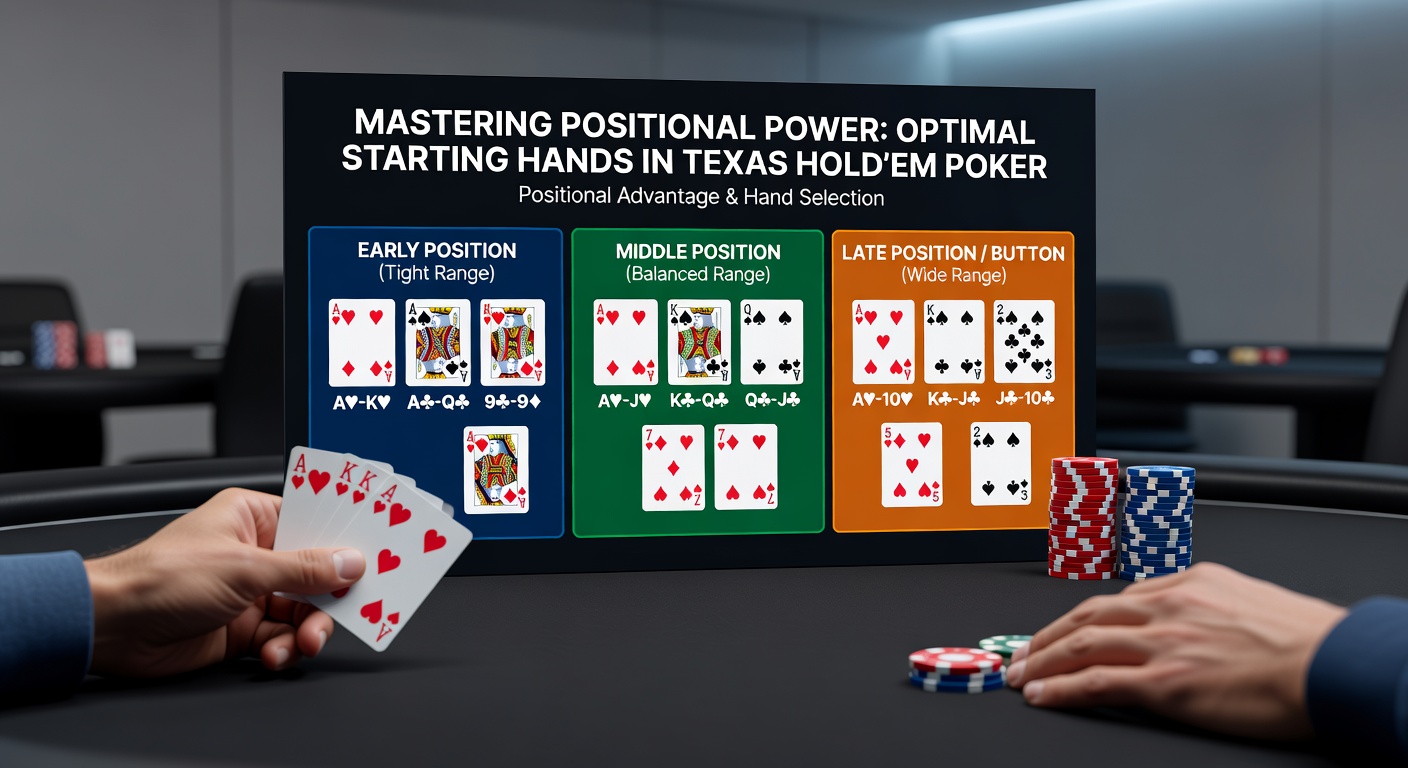
The Edge of Position: Why It Defines Hold'em Success
Position shapes every decision in Texas Hold'em, dictating not just what hands players enter pots with but how those hands play out across betting rounds; those seated later act after opponents, gathering crucial information on bets, checks, or raises before responding, which turns marginal holdings into profitable plays while early actors face uncertainty from multiple players yet to move. Data from advanced poker solvers like PioSolver reveals that late-position players win roughly 20-30% more pots per 100 hands compared to early-position counterparts, a gap that widens in deeper-stacked games common at high-stakes tables. What's interesting, observers have long noted, is how this informational advantage lets skilled players exploit weaker ranges, squeezing value from hands others fold preflop.
And as the poker world gears up for the Spring Festival Series in April 2026—where fields swell with pros refining their edge—mastering positional starting hands becomes non-negotiable; tournaments there demand tight early play transitioning to aggressive late steals, mirroring cash game dynamics tracked by tracking software like PokerTracker over millions of hands.
Early Position: The Tightest Standards Apply
Players under the gun or in the next two seats face the toughest spot, acting first postflop with up to eight opponents potentially behind; simulations run by experts at Upswing Poker show only the top 10-15% of hands prove playable here, emphasizing premium pairs like AA, KK, QQ, and AK suited to minimize domination risks. Take one study analyzing 1 million hands from mid-stakes online games; it found early-position raises with hands like 76 suited lose equity 12% faster than in late spots because postflop blinds and positional pressure erode thin value.
So players stick to rock-solid starters: pocket pairs from 77 up, suited broadways like AJs through KQs, and the occasional offsuit big aces; anything speculative, like low suited connectors, drops off sharply since multi-way pots punish draws without fold equity. Here's where it gets interesting—adjusting for table rake in live settings, like those regulated by the Nevada Gaming Control Board, tightens ranges further, as dead money from blinds shrinks preflop.
- AA, KK, QQ, JJ: Always raise.
- TT, 99, 88: Raise or fold based on table limp count.
- AKs, AQs, AJs: Standard open-raise size of 2.5-3x big blind.
- AQo+, KQs: Viable but cautious against aggressive 3-bets.
Middle Position: Widening the Range Without Overreaching
Moving to hijack or cutoff precursors, fewer players remain to act, so ranges expand to about 20-25% of hands; researchers using equity calculators like Equilab confirm MP opens boost win rates by 8-10% over EP because postflop leverage grows, allowing semi-bluffs with suited connectors like 98s or 76s that connect well against calling stations. But here's the thing—data from live casino logs in multi-table tournaments shows middle-position players who balloon ranges too wide, say beyond 30%, hemorrhage chips to button squeezes, turning potential edges into leaks.
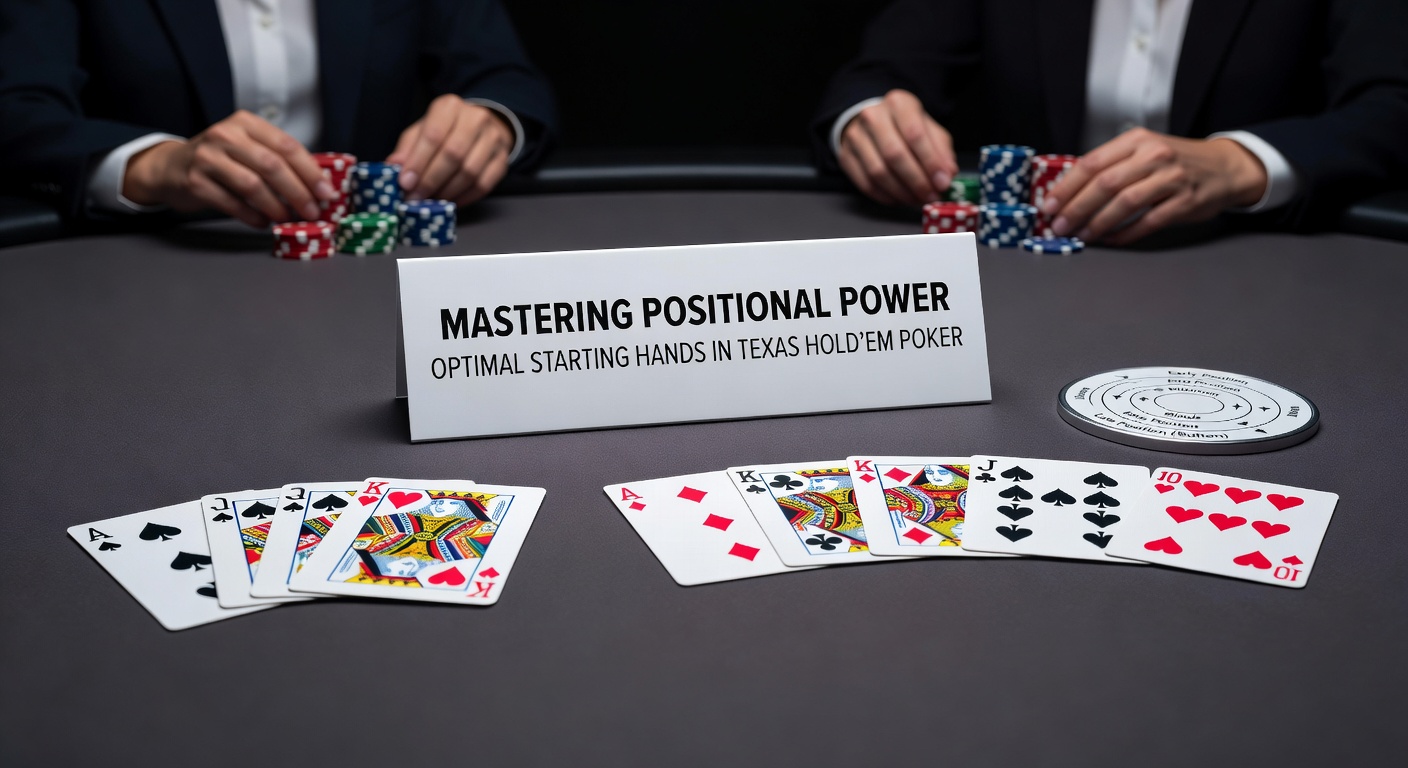
Those who've crunched the numbers advocate adding mid-pairs like 66-22 for set-mining against loose opens, plus suited aces down to A5s for wheel potential; offsuit broadways like KJo join the mix, though they falter against premium defenses. One case from a 2025 Aussie Millions side event highlighted this perfectly—a pro in MP raised JTs suited, flopped top pair with a straight draw, and stacked an early limper who held AQ offsuit; such spots underscore why position amplifies hand flexibility.
- Expand to 55+, ATs+, KJs+, QJs, JTs.
- Offsuit: AJo+, KQo.
- Suited connectors: T9s through 54s selectively.
- Steal viable against folded EP.
Yet observers caution that against nits—tight players who only wake up with monsters—dialing back to EP tightness preserves stacks for better spots.
Late Position Mastery: Aggression Unlocks Value
Cutoff and button seats deliver the real power, with ranges ballooning to 35-50% playable hands since acting last postflop yields max information; turns out, PokerTracker databases from high-volume grinders reveal button players capture 40% of pots raised, far outpacing other positions because isolation raises punish wide limpers and blinds alike. Experts observe this is where suited gappers like 86s or Q9s shine, flopping strong draws or pairs with blockers, while any ace—suited or not—commands respect for nut potential.
And small blind vs. big blind dynamics shift dramatically here; although out of position postflop, button steals fold out 70% of blind defenses per solver outputs, making trash like K5o a min-raise candidate. What's significant, studies of WSOP bracelet winners show they lift ranges widest on button, incorporating 32o occasionally when stacks deepen beyond 100BB, capitalizing on fold equity that early players can't dream of.
- Button RFI: 40%+ including all suited aces, broadways, 22+, connectors down to 32s.
- Cutoff: Slightly tighter at 30-35%, folding weakest suited junk.
- Key adjustment: Limp-fests call for wider aggression.
Blinds: Defending Without Desperation
Small and big blinds demand nuanced play, facing positionally advantaged opens; data indicates defending too wide leaks 15bb/100, so 3-bet or fold becomes the mantra against button min-raises, prioritizing hands with blockers like A5s or KTs that flop well out of position. Players often find success reshoving premiums unseen preflop, while calling lighter suited hands to realize equity in single-raised pots.
Now, in April 2026's online series previews, pros simulate blind defenses using GTO tools, revealing optimal mixes like 20% 3-bet frequency with speculative holdings; it's not rocket science, but folding QJo to cutoff opens saves rivers from tough spots where position crushes.
Hand Strength Visualized: Preflop Charts in Action
Modern solvers generate position-specific charts, coloring ranges from green premiums to yellow marginals; for instance, one PokerNews-analyzed chart for 9-handed play marks 88+ and AKo as always-in early, exploding to 40% on button with every suited ace and one-gapper. Those studying these tools notice how stack depth alters borders—short stacks shove wider premiums, deep ones peel more suited wheels.
Take a researcher who plugged 2025 live hand histories into Flopzilla; results showed button players deviating +5% wider against passive fields crush limp-heavy games, a pattern repeating across venues from Vegas to Macau.
Table Reads and Dynamic Adjustments
Static charts provide baselines, but live adjustments based on opponent tendencies elevate play; against loose-aggressive maniacs, tighten up and trap with AA, while passive rocks invite wide button steals that print money over sessions. Figures from Hold'em Manager reviews of pros reveal top earners adjust ranges 10-15% per villain type, folding AJs to 4-bets from nits but jamming it against wide callers.
So as April 2026 fields fill with mixed skill levels, those tracking HUD stats—VPIP, PFR, fold-to-steal—outpace static players; it's where the rubber meets the road, turning position from edge to weapon.
Putting It Together: Positional Play Pays Dividends
Optimal starting hands hinge on position, with early caution yielding to late explosion, backed by solver data showing 25-35% ROI swings for adherents versus loose callers; real-world grinders confirm this through bankroll growth, as button mastery alone boosts winrates 10bb/100 in tracked games. Players embracing these ranges, adjusting for dynamics, navigate Hold'em's positional chessboard effectively, stacking chips while others chase mirages.
Ultimately, consistent application across sessions builds edges that compound, much like the pros dominating April 2026 previews; the writing's on the wall—position plus premium awareness wins long-term.