Interconnected Loyalty Systems Across Gaming Sectors: Tracking Retention Patterns in 2026
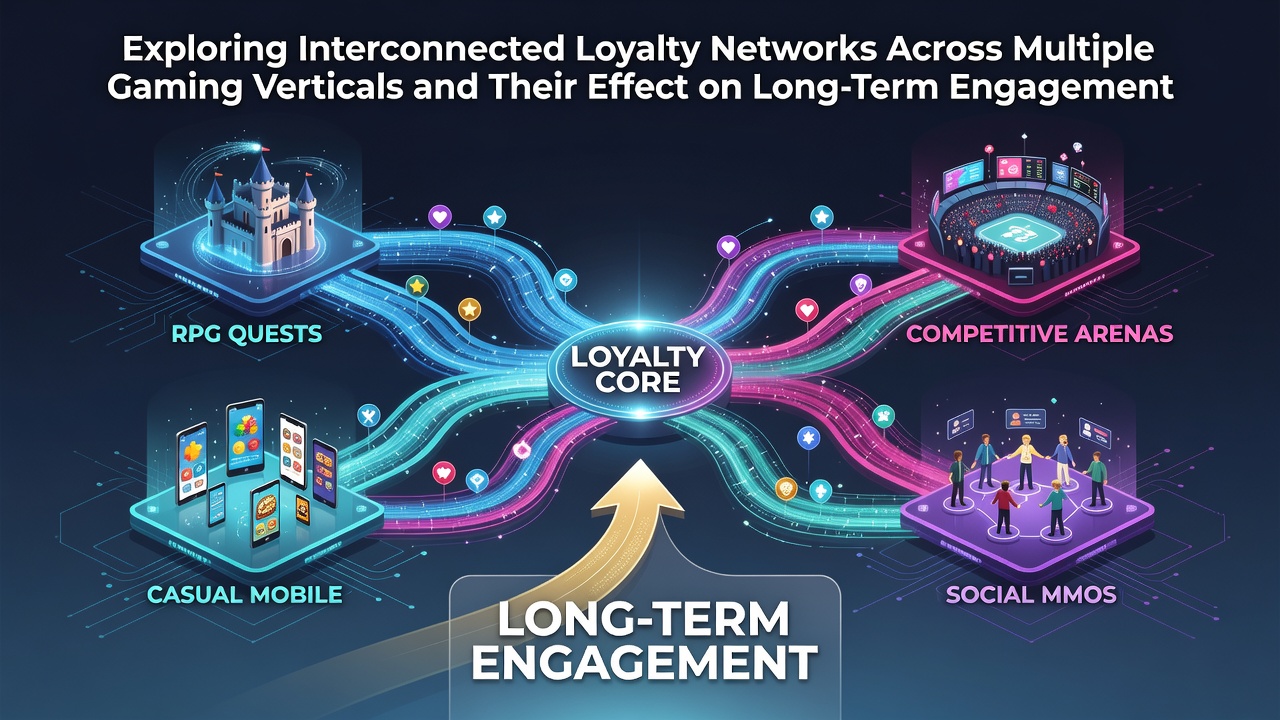
Operators have built loyalty frameworks that link land-based slots and tables with sports betting apps plus online poker rooms, allowing points earned in one area to transfer directly into rewards available in another, and recent figures from multiple markets show these connections correlate with extended player activity over twelve-month periods.
Research compiled by teh American Gaming Association indicates that integrated programs now cover more than sixty percent of major U.S. casino groups, with point-sharing mechanics that let a sports bettor redeem free-play credits on casino floors without creating separate accounts, while data collected through June 2026 reveals average session lengths rising by eighteen percent among users enrolled in such cross-vertical schemes.
Mechanics Behind Cross-Vertical Point Sharing
Systems operate through centralized databases that record activity across verticals in real time, converting bets placed at a sportsbook into tier credits usable for hotel stays or table-game comps, and the same infrastructure records table-game wagers as qualifying activity for online free-spin bonuses; this single ledger approach eliminates duplicate tracking and lets operators adjust reward values based on combined lifetime value rather than isolated product performance.
Implementation often begins with a mobile app that serves as the primary interface, where players view unified balances and receive personalized offers that reference past behavior in every vertical they have used, and casino groups in Nevada and New Jersey have reported that such apps increase daily active users by twenty-two percent compared with standalone loyalty portals.
Retention Metrics Across Connected Markets
Figures released by the Nevada Gaming Control Board for the first half of 2026 show that patrons participating in multi-vertical programs returned to properties at rates nine percentage points higher than those limited to single-product rewards, with the largest lift appearing among players who combined sports betting with slot play; similar patterns appear in data from the New South Wales Independent Liquor and Gaming Authority, where cross-format loyalty members maintained accounts active for an average of fourteen months versus nine months for non-integrated users.
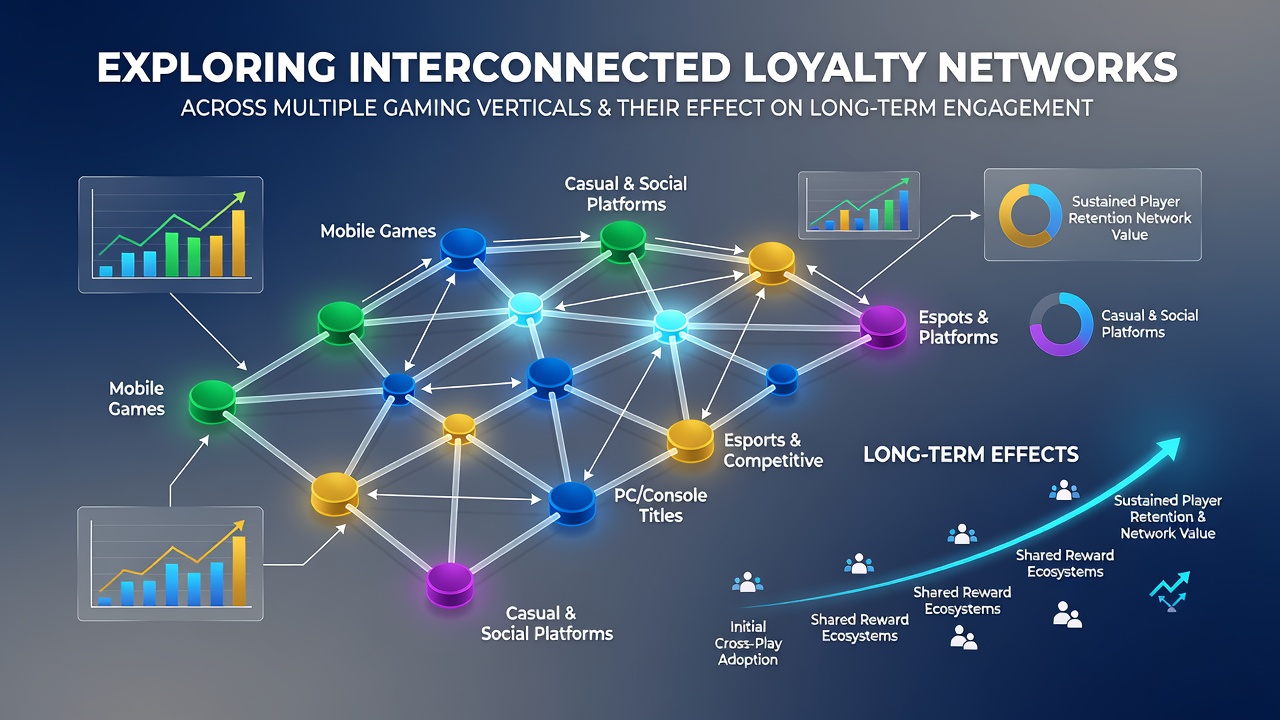
Academic analysis from the University of Nevada, Las Vegas International Gaming Institute further notes that point portability reduces churn during seasonal dips, because a player whose sports betting slows in summer can still access casino-floor benefits accumulated earlier, and the study tracked over 120,000 accounts to confirm that seamless transfers correlate with a thirty-one percent drop in thirty-day inactivity spells.
Regional Variations in Program Design
European operators have introduced additional layers such as cashback multipliers that scale when activity spans both online casino games and retail sportsbooks within the same week, and regulators in Malta have required transparent disclosure of transfer ratios to maintain player trust; in Australia, state-level rules in Victoria now mandate that loyalty statements itemize contributions from each vertical so participants understand how sports wagers versus electronic gaming machine play affects their tier status.
Asian integrated resorts have taken a different route by embedding loyalty cards that function at both gaming tables and non-gaming attractions like shopping malls and theaters, creating a broader ecosystem where points earned from baccarat can offset dining expenses, and visitor data from Singapore properties through June 2026 shows repeat visitation increasing when these non-gaming redemptions remain available year-round.
Technical Infrastructure and Data Handling
Cloud-based customer relationship platforms aggregate transaction streams from disparate gaming management systems, applying algorithms that normalize points across products with different house edges and bet structures, while security protocols encrypt personal identifiers to comply with data-protection statutes in each jurisdiction; operators that adopted these platforms early report lower marketing costs per retained player because targeted offers draw from richer behavioral histories rather than limited single-channel records.
Partnerships between technology vendors and gaming companies have produced standardized APIs that allow smaller regional casinos to connect their systems to larger networks without rebuilding internal software, and early adopters in Pennsylvania and Michigan have documented that such connections enable smaller properties to offer rewards previously available only at destination resorts.
Conclusion
Evidence assembled from regulatory filings, industry association reports, and university research consistently links interconnected loyalty networks to higher long-term engagement across gaming verticals, with measurable gains in return frequency and account longevity appearing in multiple jurisdictions through mid-2026. Continued expansion of these frameworks will depend on sustained investment in data integration and regulatory alignment that preserves player choice while enabling seamless point movement.