Integrated Reward Ecosystems and Player Movement Across Gaming Formats
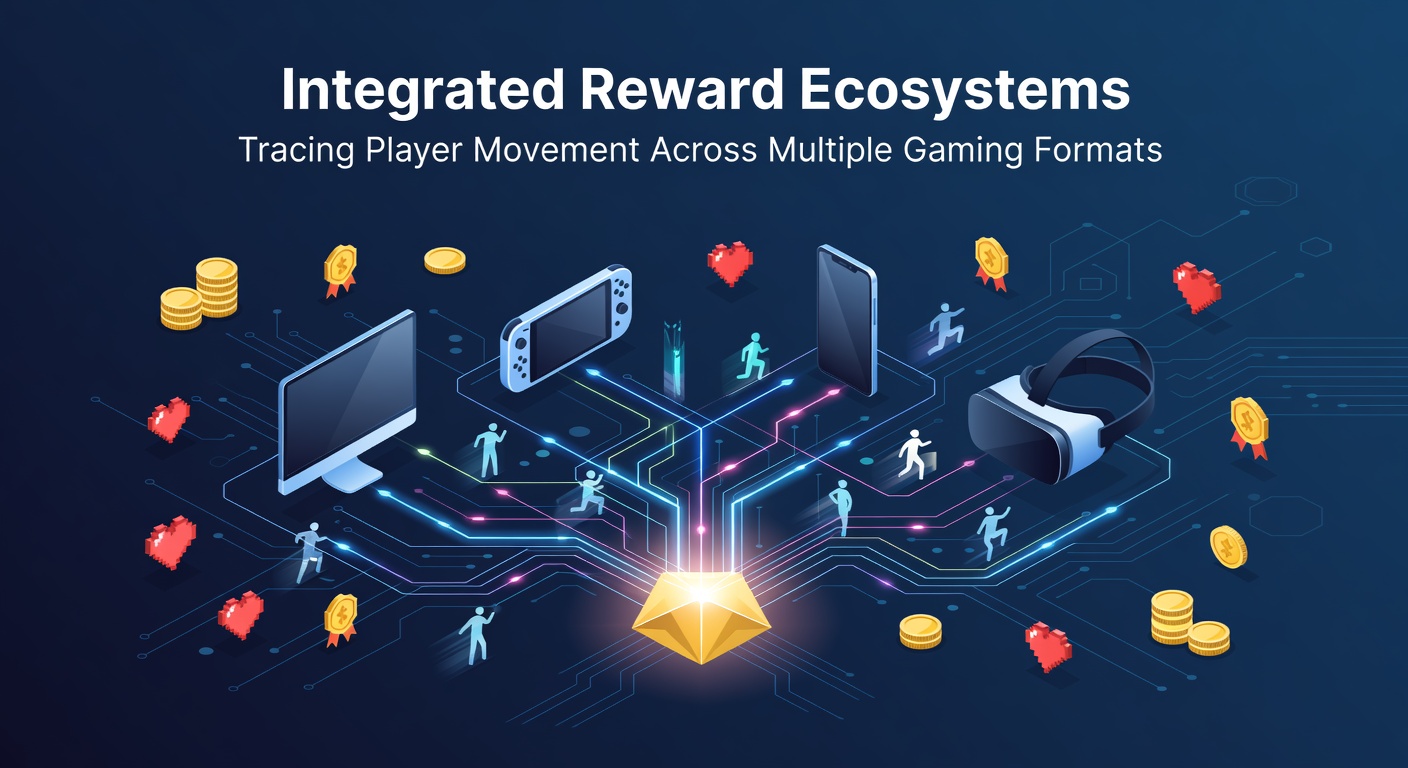
Integrated reward ecosystems combine loyalty mechanisms from land-based casinos, online platforms, sports betting, and mobile applications into single networks that follow player activity across formats, and these systems have expanded significantly by June 2026 as operators seek to maintain engagement through unified point structures and personalized incentives.
Core Components of Integrated Systems
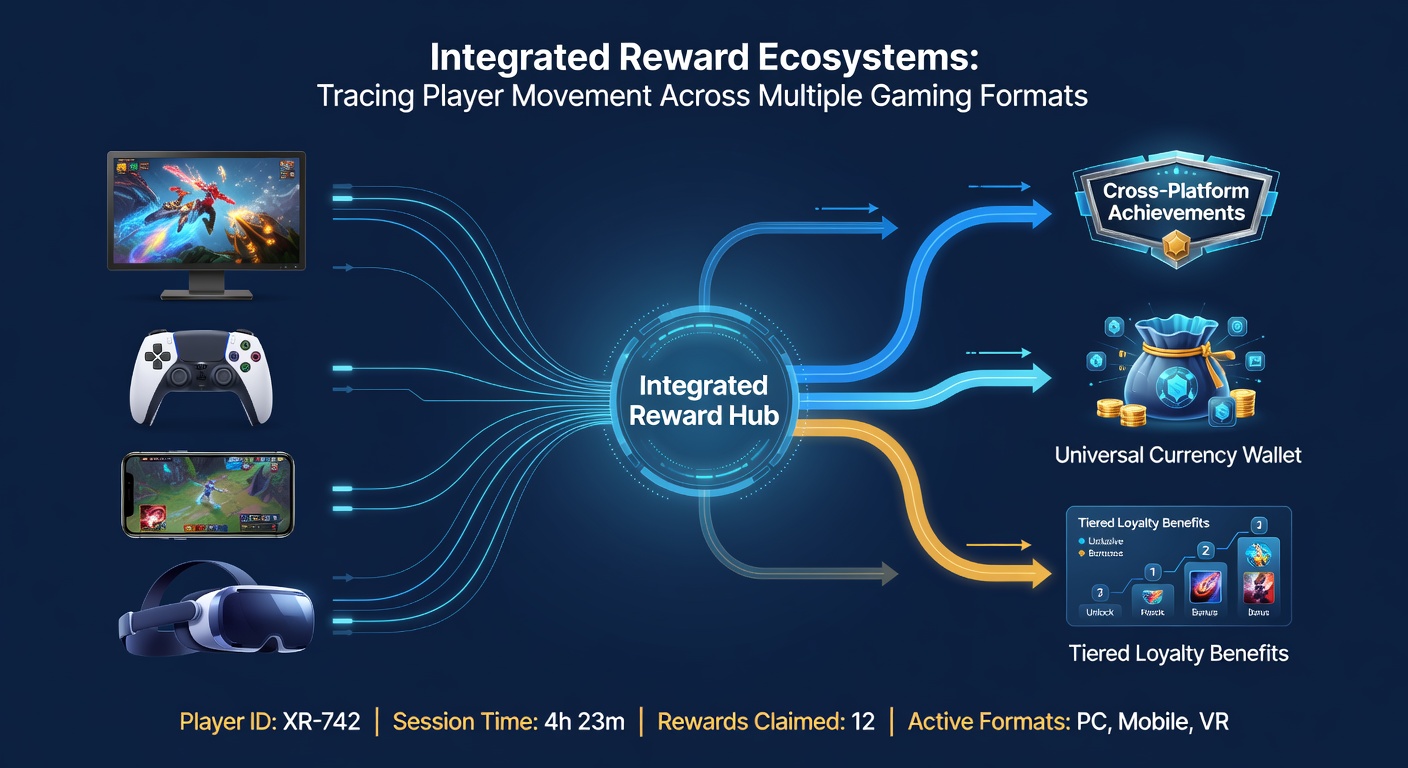
Operators link player accounts through centralized databases that record wagers, session durations, and game preferences regardless of whether activity occurs at physical tables, digital slots, or live sports events, while data aggregation tools merge information from separate platforms into unified profiles that adjust reward tiers automatically based on total participation levels.
Research from industry groups such as the American Gaming Association shows that over 65 percent of major casino operators in the United States now maintain cross-format tracking programs, and these setups rely on technologies including RFID chips in land-based venues alongside API connections that pull real-time data from online servers and mobile applications.
Mechanics of Player Movement Tracking
Players who begin sessions at a physical slot machine may continue earning points during later online play because the system recognizes the same account credentials and applies consistent multipliers or bonus structures, yet movement patterns reveal that many participants shift formats multiple times within a single week as they respond to targeted offers delivered through email or app notifications.
According to reports compiled by the Nevada Gaming Control Board, daily cross-format transitions increased by 22 percent between 2024 and 2026, with peak activity occurring during evening hours when land-based visitors transition to mobile sports betting after leaving casino floors.
Data Patterns Observed in 2026
Figures released in June 2026 indicate that integrated ecosystems capture movement across an average of 3.4 distinct gaming formats per active account each month, and analysts note higher retention rates among players whose activity spans both physical and digital environments compared with those confined to single platforms.
One study conducted by researchers at the University of Nevada, Las Vegas examined transaction logs from 1.2 million accounts and found that reward redemptions involving hotel stays or dining credits often followed sequences beginning with online sports wagers and concluding with land-based table game sessions, demonstrating how operators use sequenced incentives to guide behavior across venues.
Regional Implementation Differences
European operators frequently incorporate regulatory requirements from bodies such as the Malta Gaming Authority into their ecosystem designs, which results in stricter data segmentation rules that separate land-based and online tracking until explicit player consent links the two, whereas North American systems tend to emphasize seamless integration with fewer intermediate approval steps.
Australian regulatory frameworks administered through state-level commissions require operators to report aggregated movement statistics quarterly, and these disclosures have highlighted consistent patterns where players who engage with poker formats online later visit land-based venues for live tournaments at elevated reward tiers.
Technological Infrastructure Supporting Traceability
Cloud-based platforms serve as the backbone for most integrated ecosystems because they handle simultaneous inputs from thousands of terminals and applications without latency issues, while machine learning algorithms process historical movement data to predict likely format shifts and trigger preemptive offers that encourage continued participation.
Security protocols encrypt player identifiers during transfers between systems, and compliance teams conduct regular audits to verify that reward calculations remain accurate when activity crosses jurisdictional boundaries or involves third-party sports betting partners.
Conclusion
Integrated reward ecosystems continue to evolve through expanded data connections that document player movement across gaming formats, and current implementations demonstrate measurable impacts on retention metrics according to multiple regulatory and academic sources. Operators maintain these networks by combining hardware tracking in physical spaces with digital account synchronization, which produces detailed activity timelines used for operational adjustments through June 2026 and beyond.