How Skill-Based Games Are Reshaping Casino Landscapes in Emerging Economies
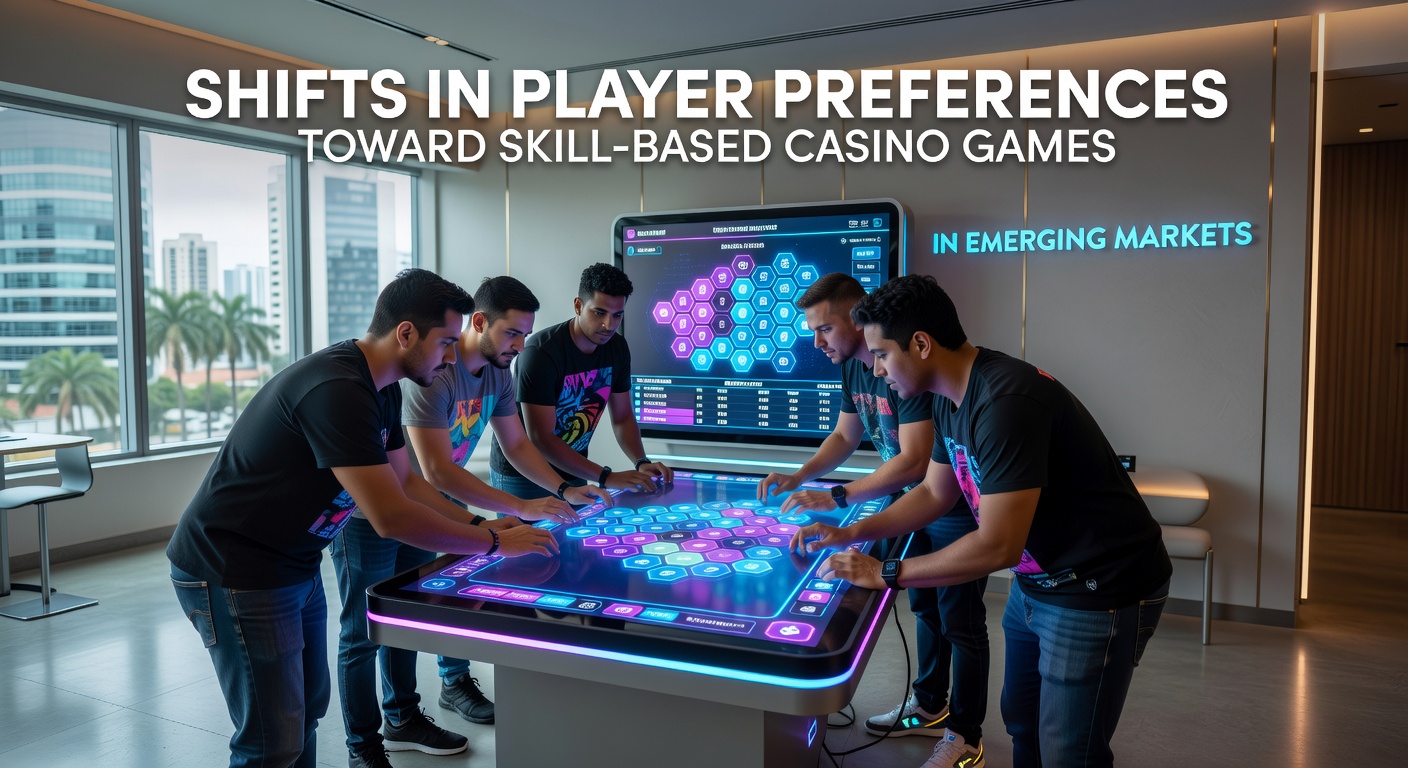
Player preferences in emerging casino markets have moved steadily toward skill-based formats over the past several years, with data from regulatory filings and operator reports showing consistent growth in participation rates for games such as poker variants, blackjack strategy tables, and hybrid skill-slot machines. Observers note that this shift appears most pronounced in regions including Southeast Asia, Latin America, and parts of Africa, where new licensing frameworks have opened doors for operators to introduce products that reward decision-making rather than relying solely on random outcomes.
Market analysts tracking activity through June 2026 have documented rising average session lengths on skill-focused offerings compared with traditional reel slots in the same venues. Government statistics from the Philippines Gaming Corporation, for instance, list a measurable uptick in table-game revenue share during the first half of the year, while similar patterns surface in Brazilian state-level reports following the 2024 legalization of fixed-odds betting and skill-adjacent casino products.
Regional Data Patterns Across Key Markets
India’s growing online and land-based poker ecosystem provides one clear example of preference evolution. State-level tax collections tied to skill-game platforms rose noticeably between 2024 and 2026, reflecting both increased player numbers adn higher per-user deposits on platforms that emphasize strategic play. Meanwhile, casino resorts in Goa and Sikkim have expanded dedicated poker rooms and introduced electronic skill-based terminals that combine video elements with player-controlled decisions.
In Latin America, Brazil’s regulatory rollout has created space for operators to test skill-based offerings alongside sports betting. Early license-holder filings submitted in early 2026 indicate that tables offering blackjack and certain video poker formats captured larger portions of floor traffic than pure-chance machines in several new properties. Colombian gaming authorities likewise reported expanded approvals for skill-hybrid machines during the same period, citing player demand data collected from existing operators.
Technology and Accessibility Drivers
Mobile connectivity improvements across emerging markets have accelerated the trend. Smartphones now deliver real-time strategy tools, hand-history tracking, and multiplayer poker environments directly to users who previously accessed only simple slot applications. Platform operators have responded by releasing localized language interfaces and simplified tutorials that lower the entry barrier for skill-based titles without altering core mechanics.
Payment infrastructure upgrades also play a role. Faster digital wallets and lower transaction fees allow players to move between cash games and tournament formats more fluidly, encouraging longer engagement with games where outcomes depend partly on choices made during each round. Research compiled by the Asia Pacific Association of Gaming Regulators highlights that markets with upgraded fintech rails experienced faster adoption curves for these products than regions still reliant on cash-only systems.
Regulatory Environment and Market Response
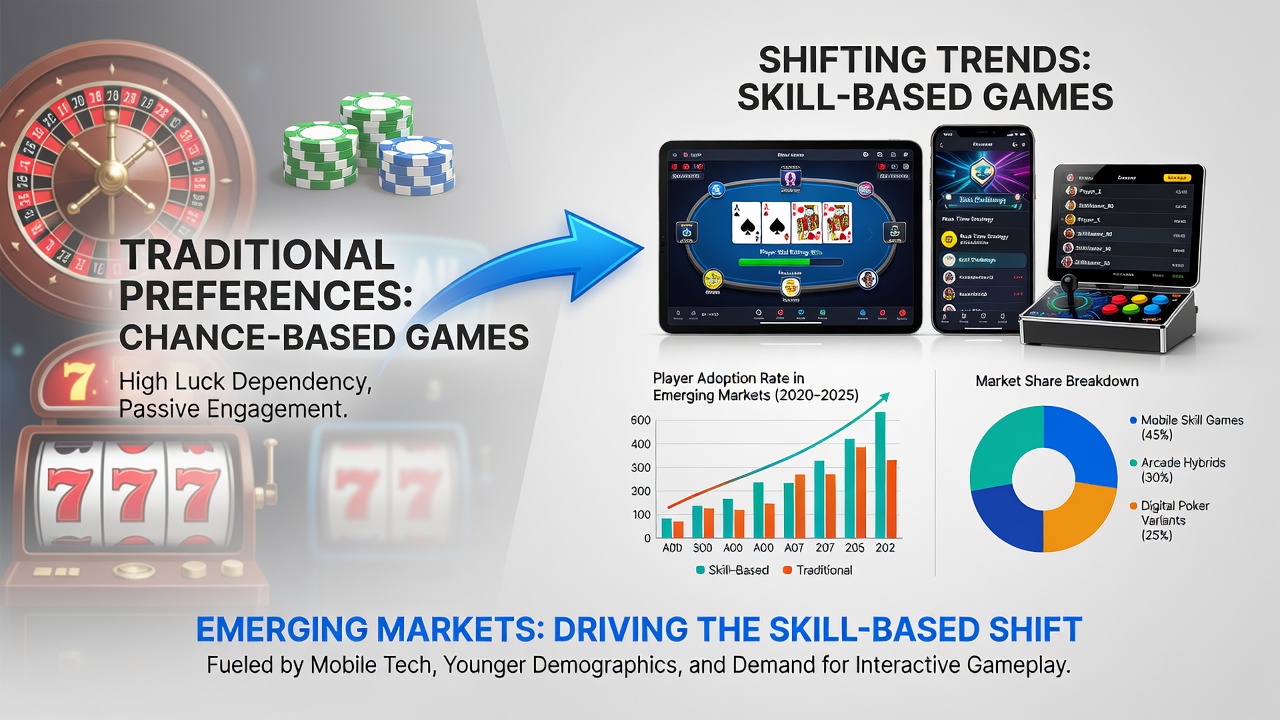
Policy changes have aligned with these technological shifts. Several jurisdictions introduced tiered licensing categories in 2025 that distinguish skill-based products from traditional chance games, allowing regulators to apply different tax rates or responsible-gaming measures. Operators have cited these distinctions when expanding floor space allocated to poker, baccarat strategy variants, and electronic table games that incorporate decision points.
Training programs for dealers and floor staff have expanded accordingly. Industry associations in Malaysia and Vietnam organized certification courses focused on skill-game operations throughout 2025 and into June 2026, preparing venues for higher volumes of informed players. Data shared at regional conferences shows these programs correlate with reduced dispute rates and higher customer retention metrics at participating properties.
Player Demographics and Behavioral Indicators
Demographic surveys conducted by independent research firms reveal that younger adults in urban centers of emerging markets form the core audience for skill-based offerings. These groups demonstrate greater willingness to study optimal strategies and participate in tournaments that span multiple sessions. Loyalty program data from several integrated resorts further indicates that members who engage with skill formats generate higher lifetime value than those who remain exclusively with chance-based games.
Cross-format movement also appears common. Players often begin with low-stakes skill terminals before migrating to live tables, creating a pipeline that benefits both operators and regulatory bodies seeking to track activity patterns. Reports from South African casino groups document similar progression pathways after the introduction of electronic poker and blackjack terminals in Gauteng and Western Cape provinces.
Conclusion
Available figures through mid-2026 illustrate a sustained rebalancing of player activity toward skill-based casino products across multiple emerging markets. Regulatory adaptations, infrastructure improvements, and demographic factors have collectively supported this movement, producing measurable changes in revenue composition and session behavior. Continued monitoring of licensing data and operator filings will clarify whether the pattern persists as additional jurisdictions finalize their frameworks.