Cashless Payment Trends Differ Across Tribal Gaming Regions and Alter Player Behavior Patterns
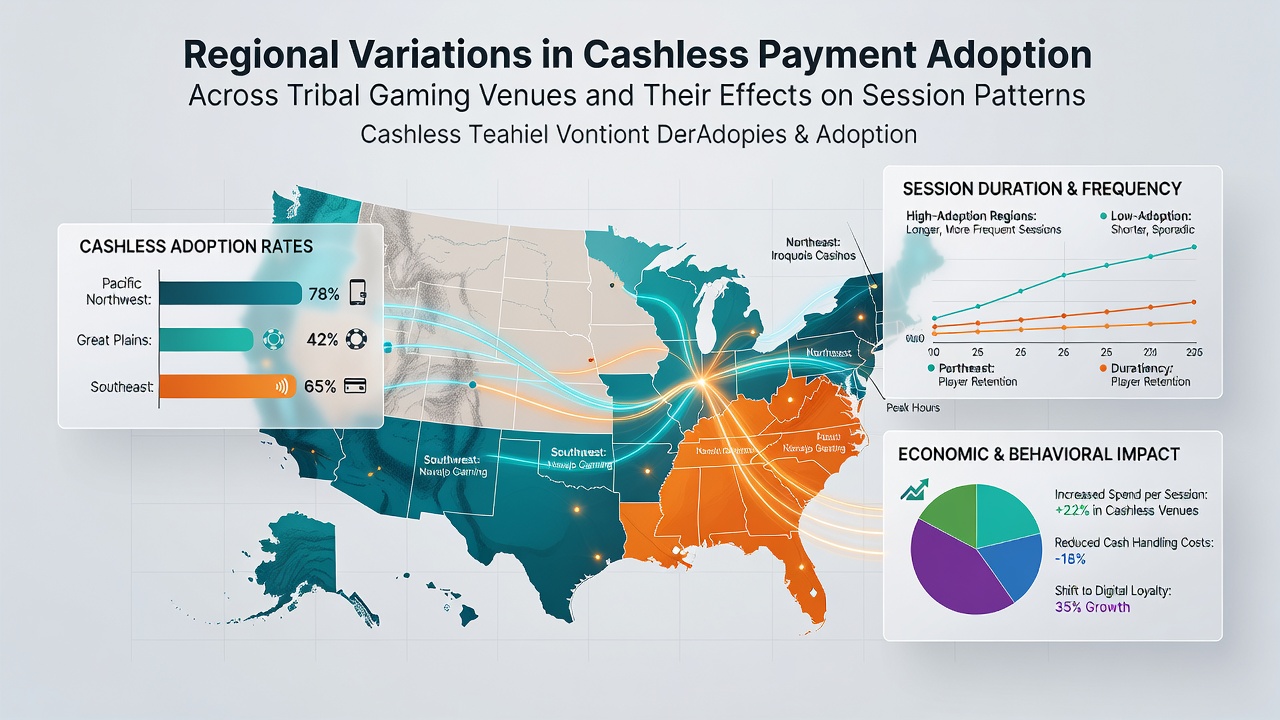
Regional differences in cashless payment systems have emerged as a defining feature of tribal gaming operations throughout 2026, with adoption rates varying sharply between areas such as the Southwest, Midwest, and Pacific Northwest. Data collected through mid-year indicates that these variations correlate with measurable shifts in session durations and transaction frequencies at tribal venues, according to figures compiled by the National Indian Gaming Commission.
Adoption Patterns by Geographic Area
Southwest tribal casinos, particularly those in Arizona and New Mexico, reported cashless transaction volumes reaching 62 percent of total play by July 2026, driven by widespread integration of mobile wallets and player cards that link directly to slot and table systems. In contrast, Midwest operations in states like Oklahoma and Wisconsin showed slower uptake at 41 percent, where cash remains the dominant method despite available infrastructure for contactless options. Pacific Northwest venues, including several in Washington, fell between these figures at 53 percent adoption, with systems emphasizing RFID-enabled chips that reduce the need for physical currency exchanges.
These regional disparities stem from factors including tribal regulatory frameworks and infrastructure investments, as noted in reports from the Indian Gaming Association. Venues with established partnerships for digital banking services advanced faster, while others prioritized gradual rollouts to accommodate player preferences for traditional methods.
Impacts on Session Length and Frequency
Session patterns have adjusted in line with these payment differences, with data revealing that cashless-enabled venues experience average play sessions extended by 18 to 24 minutes compared to cash-heavy locations. Researchers tracking player movement across multiple sites found that seamless digital transfers encourage continued engagement without the interruptions associated with cash withdrawals or chip exchanges.
What's interesting is how transaction density changes the rhythm of play, as one analysis of Midwest facilities showed players completing 2.3 additional wagers per hour once cashless features activated. Southwest sites recorded even higher densities, reaching 2.7 extra transactions hourly, according to aggregated telemetry from gaming management systems.
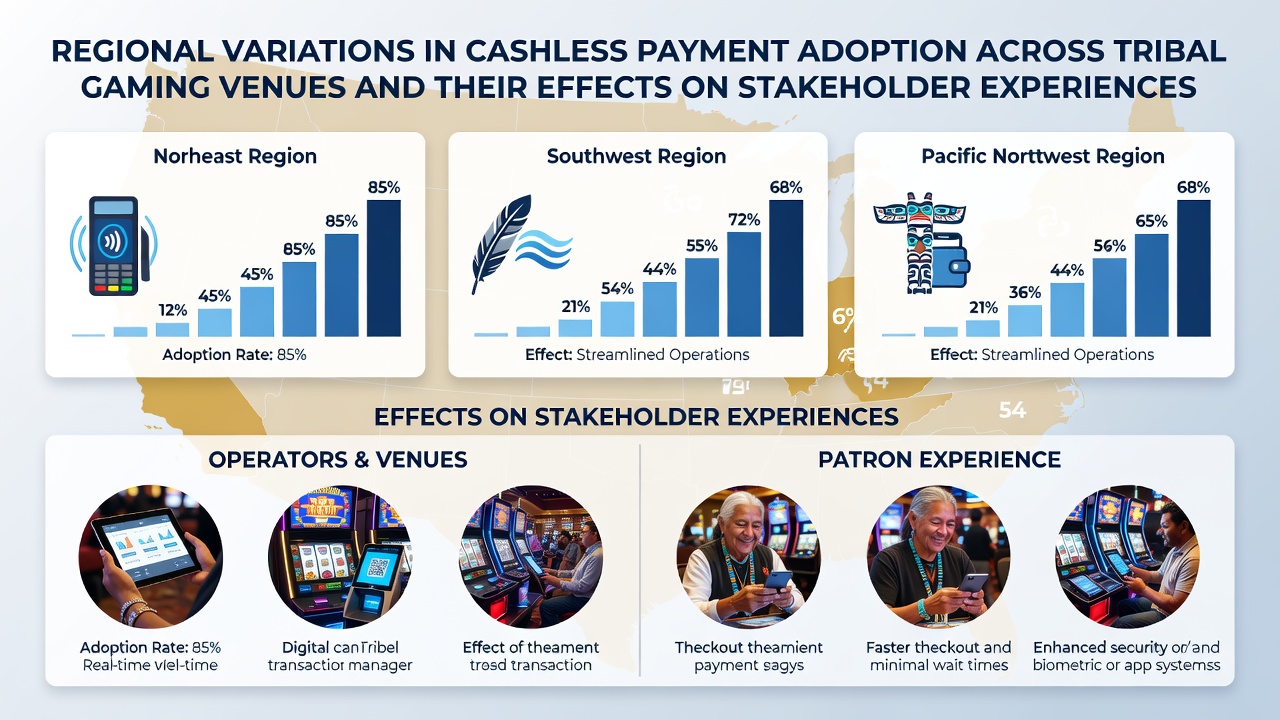
Yet the effects extend beyond length alone, influencing how sessions cluster throughout operating hours. Evening peaks in cashless-heavy regions tend to stretch later into the night, with data from July 2026 indicating a 14 percent increase in post-midnight activity at equipped venues. This pattern appears less pronounced in areas where cash transactions still predominate, where players more frequently conclude sessions around standard closing times.
Cross-Regional Comparisons and Supporting Data
Comparative studies highlight further nuances, such as the role of loyalty program integration with cashless platforms. Tribal operations that unified rewards tracking with digital payments observed stronger retention across session starts, with repeat visits rising 11 percent in high-adoption zones. A University of Nevada, Las Vegas research brief released earlier in the year linked these outcomes to reduced friction in fund access, allowing players to maintain momentum without leaving the gaming floor.
Observers tracking these trends note that smaller tribal facilities often lag larger ones within the same region, creating intra-area variations that complicate broad generalizations. For instance, compact Midwest sites averaged 35 percent cashless usage versus 48 percent at larger counterparts, correlating with shorter average sessions of 47 minutes against 61 minutes at bigger venues.
Future Trajectories in Tribal Gaming Operations
Projections based on current trajectories suggest continued divergence unless infrastructure equalization efforts accelerate. Tribal councils in lower-adoption regions have begun pilot programs that pair cashless options with educational outreach, aiming to narrow gaps observed through the first half of 2026. Industry associations continue monitoring these developments to assess long-term effects on operational efficiency and player distribution.
Conclusion
Regional variations in cashless payment adoption continue to shape session patterns across tribal gaming venues, with clear differences in duration, frequency, and timing tied to implementation levels. Ongoing data collection through regulatory channels and academic partnerships provides the foundation for understanding these dynamics as they evolve into the latter part of the year.